
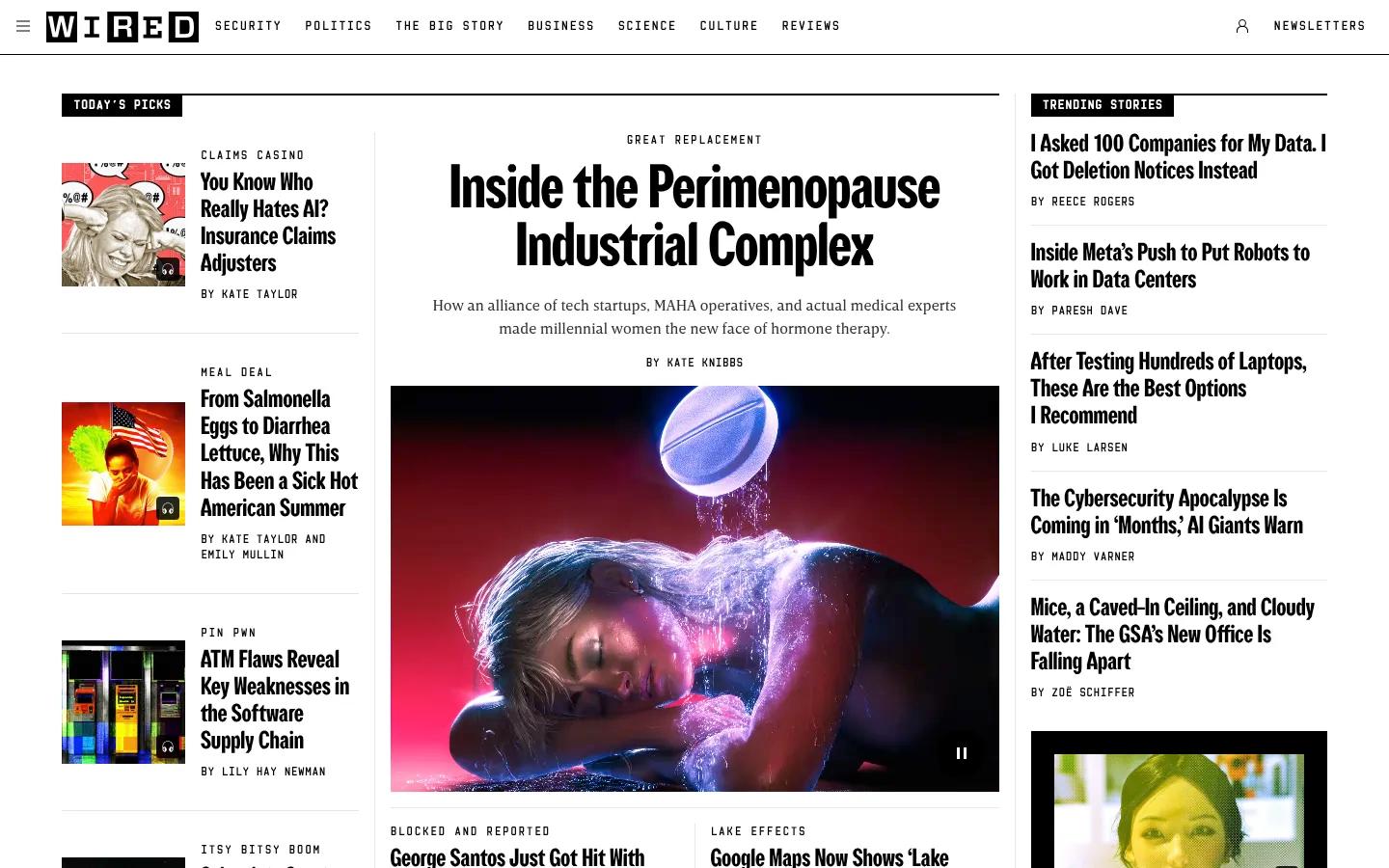
WIRED
wired.com
WIRED is a technology, science, culture, business, and ideas publication known for explaining how emerging technologies shape society. It combines breaking news, investigations, analysis, product coverage, and long-form features for a broad, digitally engaged audience.
93
75
3.8M
0
Our Verdict
Strong earned-media and thought-leadership potential for genuinely newsworthy technology, science, and policy stories; unsuitable for routine link inserts or standard guest-post outreach.
Who Owns or Publishes It?
What Does It Cover?
In-Depth Analysis
WIRED is one of the most recognisable technology-media brands in the United States and internationally. It began as WIRED magazine in 1993, founded by Louis Rossetto and Jane Metcalfe during the early commercial internet era. The magazine became closely associated with the optimism, disruption, design language, and countercultural ambitions of the digital revolution. It was acquired by Condé Nast in 1998 and has since evolved into a major digital publication alongside its print magazine, video output, newsletters, podcasts, events, and commerce content.
Its core premise remains consistent: technology is not treated as an isolated consumer category, but as a force that changes politics, work, culture, security, science, health, entertainment, and everyday life. The publication's editorial remit is broad but technology-led. Regular coverage includes artificial intelligence, cybersecurity, the internet, big technology companies, social platforms, privacy, climate technology, transportation, space, science, public health, design, gaming, entertainment, and consumer gadgets. WIRED also frequently reports on the consequences of technology, including surveillance, misinformation, platform governance, labor conditions, digital rights, inequality, and the environmental costs of digital infrastructure.
This gives the title a reputation for being more analytical and socially aware than a pure gadget-review outlet, while remaining more culturally fluent and consumer-accessible than many trade technology publications. WIRED's reputation rests substantially on original reporting, investigative work, informed explainers, and distinctive long-form storytelling. Its journalists often use specialist sources, documents, data, and on-the-ground reporting, particularly in areas such as security, AI, science, and the policy implications of technology. The site publishes rapid news coverage, but it also invests in contextual reporting designed to remain relevant beyond the immediate news cycle.
Its copy generally aims to be readable for informed non-specialists without oversimplifying technical subjects. Feature writing can be literary and idea-driven, while service journalism and reviews are practical, testing-oriented, and direct. As a Condé Nast title, it has a polished editorial and visual presentation, with a clear separation between independent editorial work and commercial content. Several recurring formats help distinguish WIRED.
Gadget Lab is a well-known consumer-technology and product-review franchise, supported by review coverage and commerce recommendations. WIRED's video operation has created widely shared formats such as Autocomplete Interview and Tech Support, in which specialists answer questions from the public or explain complex topics. The publication also has a strong identity around security and internet culture, and its editorial calendar often includes major forward-looking packages and issue-based reporting. It has operated branded live and virtual programming, including WIRED events and summits, which extend its role beyond a conventional news site.
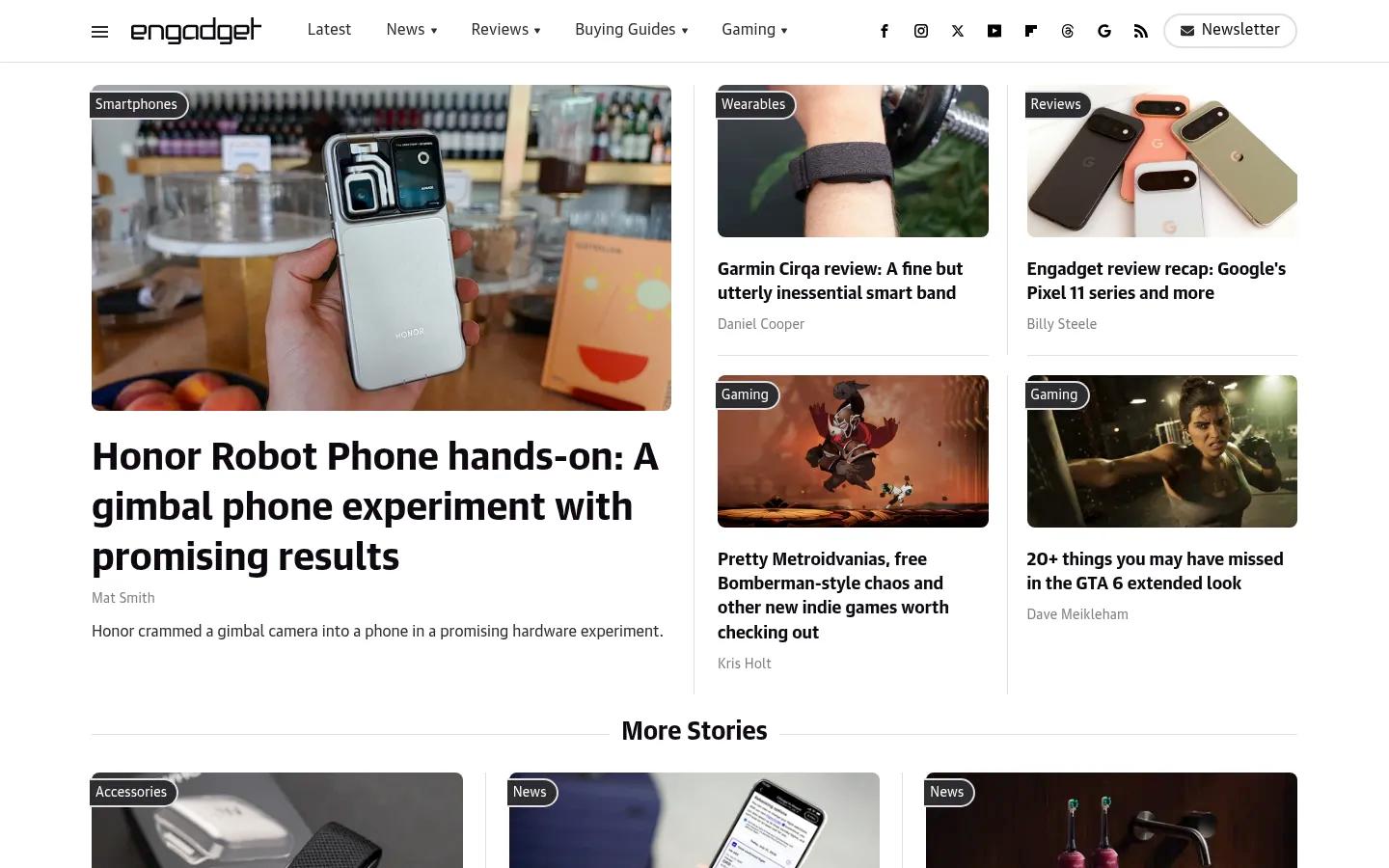
Its audience includes technology professionals, founders, developers, researchers, policymakers, students, creative-industry workers, early adopters, and general readers interested in the social impact of innovation. WIRED occupies a prominent market position between specialist trade titles such as The Verge or Ars Technica, broad business publishers such as Fast Company, and breaking-news-focused technology outlets such as TechCrunch. Compared with TechCrunch, it is generally less centered on startup funding and deal flow; compared with The Verge, it puts relatively more emphasis on enterprise technology, science, policy, and long-form reporting; compared with MIT Technology Review, it is more mass-market and culture-facing. For digital PR professionals, a meaningful WIRED placement can carry substantial reputational value because its audience and journalists are sophisticated, its reporting is influential, and its stories can be widely syndicated or discussed across social and industry channels.
However, it is not a routine placement or link-building outlet. Successful pitches need a genuine news hook, exclusive access, credible evidence, independent expert insight, or reporting value that fits a specific desk and writer. Product announcements without a broader trend, weak survey findings, self-serving executive commentary, and requests to add commercial links to old articles are unlikely to be successful. Relevant experts can be useful sources, especially for AI, security, science, privacy, health, policy, and climate stories, but they must offer real expertise rather than promotional messaging.
WIRED has also taken notable editorial positions through its coverage rather than a narrow partisan identity. It has been consistently attentive to privacy, digital rights, the concentration of technology-company power, online harms, surveillance, and the need to interrogate technological solutionism. Its reporting can be critical of major platforms, governments, venture-backed technology firms, and the unintended consequences of innovation. That stance makes it particularly valuable for credible, evidence-led PR, but challenging for brands seeking uncritical product promotion.
Commercial opportunities, including advertising and branded-content programmes through Condé Nast, are distinct from earned editorial coverage and should not be treated as a route to editorial link insertion.
Editorial Intelligence
Authoritative, curious, and analytical, with a strong emphasis on explaining the social consequences of technology. It mixes fast news and service journalism with reported features, investigations, and opinion-led analysis.
Link Policy
WIRED uses external links where they support reporting, cite a source, or direct readers to relevant information. Commercial and commerce-related links are subject to disclosures and may be treated differently from ordinary editorial references.
Author Bio Policy
There is no apparent open author-bio link programme for unsolicited guest contributors; staff, commissioned writers, and approved contributors are governed by editorial arrangements.
Outreach Intelligence
Pitch a named WIRED reporter whose existing beat closely matches the story rather than using broad, generic newsroom outreach. Lead with the news value, original evidence, exclusive access, technical detail, or an unusually qualified source, and make clear why the subject matters beyond your client. For security, AI, science, privacy, and policy stories, offer a genuinely available expert who can answer difficult questions and provide specifics quickly. Avoid SEO language, requests for follow links, prewritten articles, and product-only pitches without a wider cultural, regulatory, scientific, or market angle. If pursuing commercial activity, approach Condé Nast's advertising or branded-content channels separately and do not conflate paid media with independent editorial coverage.
Newsletter, Podcast & Feeds
WIRED publishes multiple editorial newsletters covering major technology and culture stories; frequency varies by newsletter.
Gadget Lab covers consumer technology and digital culture, while WIRED has also produced shows such as Uncanny Valley focused on technology, power, and culture.
Editorial Model
WIRED is a staff-led Condé Nast editorial publication that relies heavily on original reporting, commissioned journalism, reviews, and analysis. It may publish selected outside perspectives or expert commentary, but it is not an open contributor platform and does not operate as a press-release publisher.
Who Reads It?
WIRED reaches technology-literate consumers and professionals as well as readers interested in science, business, culture, and the societal effects of innovation. Its readership includes early adopters, technology decision-makers, founders, researchers, developers, and policy-minded general readers.
Audience Interests
Audience Quality
Is It Suitable for PR & Link Building?
High-quality, timely research, exclusives, or culturally relevant technology stories can earn meaningful coverage, but editorial selectivity is very high.
Explore Digital PR ServicesCredible specialists can be useful sources for reporters when they offer specific, non-promotional expertise in WIRED's core beats.
Explore Expert Quote Link BuildingBrand coverage is possible when a company is materially relevant to a reported story, but promotional mentions alone are unlikely to meet the editorial bar.
Retrospective commercial link-placement requests conflict with the publication's editorial model and are not a credible outreach route.
WIRED does not appear to operate an open guest-post programme for brands, agencies, or SEO contributors.
Condé Nast offers advertising and branded-content opportunities, although these are commercial placements rather than earned editorial coverage.
Explore Sponsorship OptionsWhy This Matters
WIRED is valuable when a campaign can help its reporters explain a real technology, science, business, or social-development story. The best route is targeted earned-media outreach to the relevant journalist or desk, supported by data, access, and genuine subject-matter expertise. It is a poor fit for scalable SEO tactics, generic contributed articles, or attempts to purchase editorial links.
Link & Content Behaviour
Best Suited For
Not Suitable For
Guest Content & Sponsorship
WIRED is not an open guest-post publication. Outside voices may occasionally be commissioned for opinion or specialist commentary, but this is editorially controlled and not an SEO contributor channel.
SEO Metrics
High — Multiple verified sourcesAhrefs Metrics
Majestic Metrics
Link Profile
Metrics last updated: 31 August 2026
Data Sources
Profile last checked: 1 September 2026
Metrics can change. SEO metrics are estimates from third-party providers and may differ from real-time values. They should be used as indicators rather than exact figures.
Contact Information
Publicly sourcedSocial Profiles
Top Organic Keywords
| Keyword | Volume | Position |
|---|---|---|
| wired | 363K | 1 |
| ai news | 1.5M | 5 |
| best headphones | 673K | 4 |
| cybersecurity | 450K | 6 |
Frequently Asked Questions
Is WIRED.com a suitable target for digital PR and link building
Yes, but primarily for genuinely newsworthy, technology-led stories rather than direct link placement. WIRED focuses on science, technology, innovation, business, security, culture, and their impact on society, so campaigns need original data, expert insight, investigations, or a strong narrative angle.
Does WIRED.com accept conventional guest posts or contributed articles for SEO purposes
WIRED does not present itself as an open guest-posting platform, and its published pitching guidance is aimed at reported journalism and longform features. Freelancers can be considered, but pitches should offer original reporting, a clear narrative, and a meaningful connection to technology or science rather than promotional copy or keyword-driven content.
What type of story pitch is most likely to interest WIRED editors
WIRED recommends pitching a specific story rather than a broad topic, including the central chronology, main characters, likely scenes, and wider significance. Feature pitches are generally expected to be around 500 to 700 words and should include relevant examples of the writer’s previous work, particularly narrative journalism.
Are product samples or brand submissions likely to result in a WIRED review and backlink
No. WIRED states that it does not accept free products under agreements promising editorial coverage, although its Reviews team may accept samples from brands or PR agencies for independent testing. Coverage is not guaranteed, and products may be returned or donated after testing.
What advertising options are available through WIRED.com
Advertising is handled through Condé Nast rather than through an editorial pitching route. WIRED directs advertisers to its dedicated advertising contact, and the brand also offers commercial formats across its digital, magazine, events, video, and other media properties; pricing and inventory need to be confirmed with the sales team.
How should a PR professional contact WIRED about a story or news tip
For reported story ideas, use WIRED’s story-pitching guidance and identify the editor responsible for the relevant desk, such as business, science, politics, security, culture, or consumer technology. WIRED also lists Signal contact details for selected staff members, while its general contact page provides separate routes for press inquiries, feedback, letters, and technical support.
Does WIRED publish response-time expectations for pitches or media inquiries
No published response-time guarantee or editorial service-level agreement was identified. Because WIRED says its freelance budgets are limited and that staff writers usually handle breaking news, PR teams should avoid assuming that an unsolicited pitch will receive a reply or be reviewed within a particular timeframe.
What editorial restrictions should brands understand before approaching WIRED
WIRED says it rarely accepts breaking-news pitches, does not currently run opinion pieces, and only rarely publishes reported essays. Its communications policy also states that official conversations are on the record by default, with background or off-the-record treatment requiring prior agreement, and its editorial FAQ says it does not publish AI-generated text except when the use of AI is itself the subject.
Can a company request anonymity, message approval, or guaranteed wording in WIRED coverage
Those conditions cannot be assumed. WIRED generally treats corporate sources as on the record, requires advance agreement for background or off-the-record discussions, and retains editorial control over quotations, attribution, framing, and final copy.
Represent this publication?
If you work for WIRED and want to suggest an update — corrected contact details, editorial policy changes, or commercial information — we'd like to hear from you.
Suggest an UpdateExplore suitable opportunities on WIRED
iNet Ventures can help you assess whether WIRED fits your Digital PR or link building campaign.
Discuss a Digital PR campaign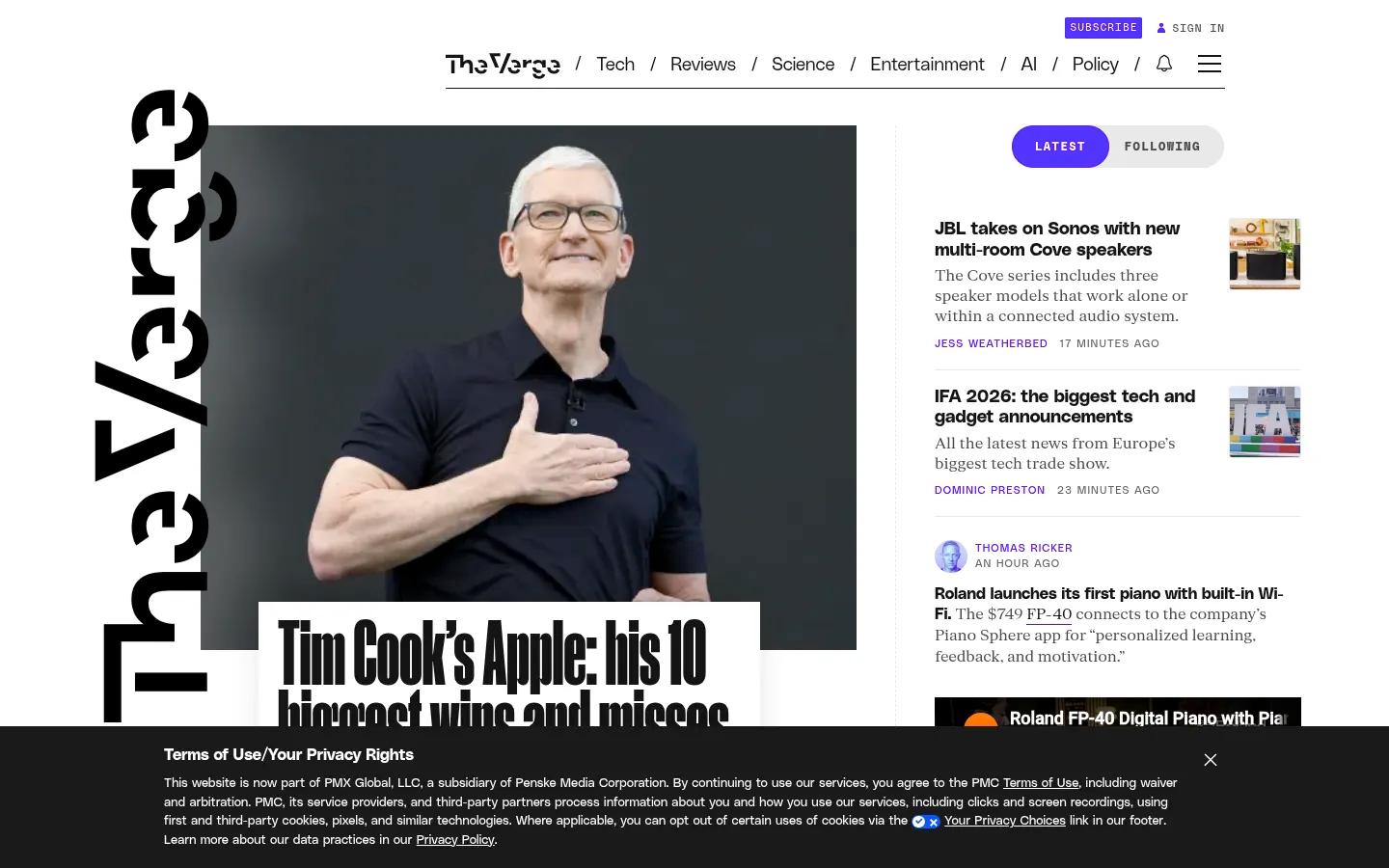
Competitors
Build Better Backlinks with iNet Ventures
We've worked with thousands of publishers. Let us handle your outreach — real, manual, white-label link building.
Trusted by 200+ agencies worldwide